






The Urban Farming Journey of Taman Tanjung Api-Api, Shah Alam
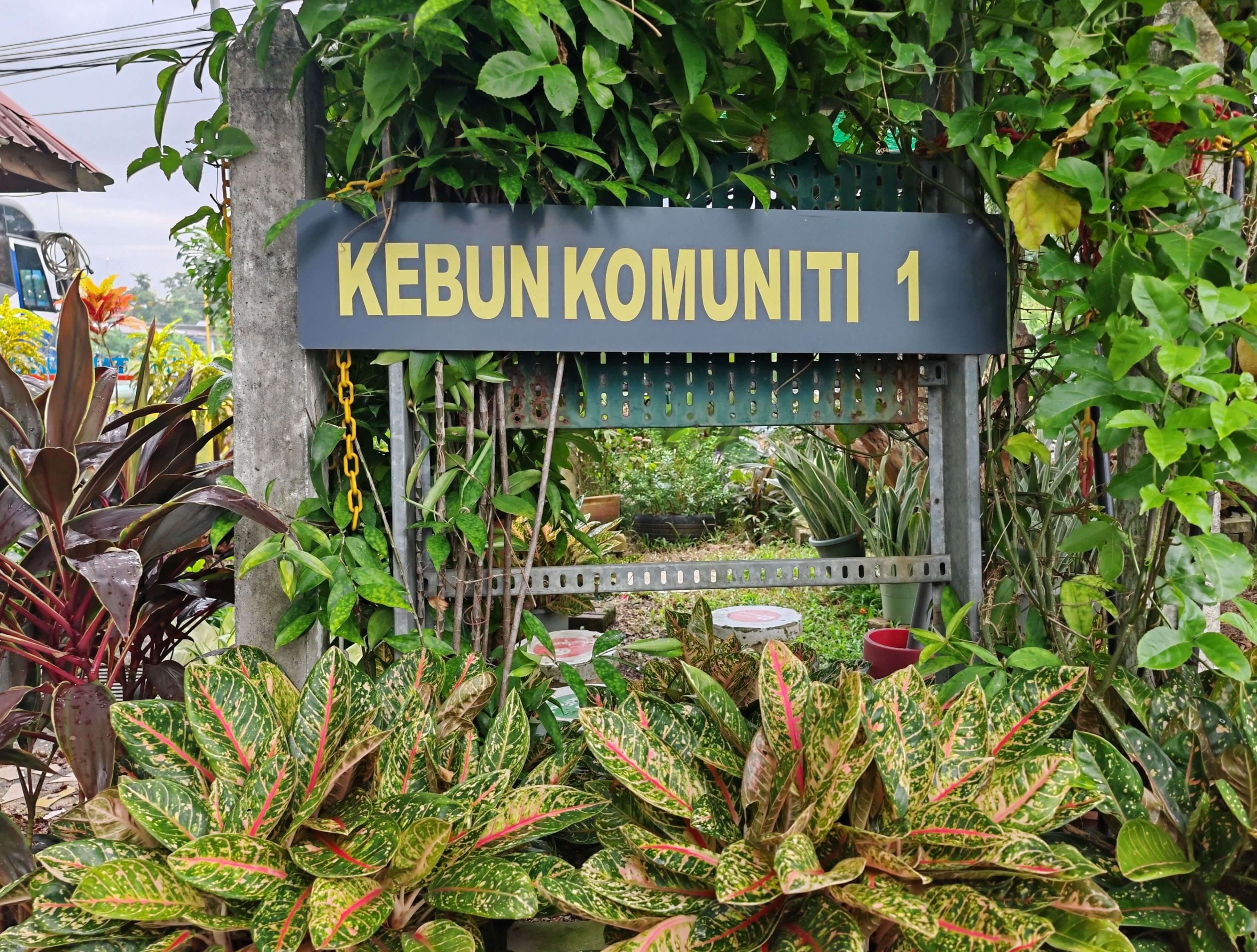
In Kampung Jalan Kebun, far away from Shah Alam’s main roads and routines, Taman Tanjung Api-Api offers something increasingly rare in urban life. Since 2013, this community-led urban farming initiative has been quietly transforming how residents interact with their surroundings, food, and other dwellers.


There are no grand signboards or commercial ambitions here. Instead, the garden unfolds gradually with fish tanks humming softly, rows of crops tended with patience, and neighbours stopping by not just to work, but to communicate. Over time, these everyday actions have turned Taman Tanjung Api-Api into one of Shah Alam’s most well-established urban farming projects.


Built by Residents
What gives this dynamism its strength is not funding or novelty, but ownership. The project is entirely managed by Persatuan Penduduk Taman Tanjung Api-Api, the local residents’ association. Planning, maintenance and decision-making are shared responsibilities, shaped by discussion rather than instruction.


This collective approach reflects the spirit behind Shah Alam City Council (MBSA) Sedulur Sekampung programme, which seeks to preserve “kampung” values within an urban setting. Here, sedulur (kinship in English) is not a slogan. It is practised through shared labour, mutual reliance and the silent understanding that this sector belongs to everyone who cares for it.


Recognition followed naturally. Within MBSA Zone 11, Taman Tanjung Api-Api is acknowledged as one of the area’s award-winning community gardens, not because it is the largest, but due to its success.

Farming With Intention
At the core of this enthusiasm is a carefully managed aquaculture system, where freshwater fish are raised with a focus on balance rather than speed. The tanks are clean, monitored and thoughtfully integrated into the wider farming layout.
What distinguishes this project is how seamlessly aquaculture connects with fertigation. Nutrient-rich water from the fish tanks is reused to nourish surrounding crops, forming a closed cycle that minimises waste and maximises purpose. It is a system designed not to impress, but to endure.

For the residents involved, this is practical education in sustainability. Knowledge is passed informally through observation, trial, error, and conversation – creating comprehensive knowledge of how natural systems can function even within city limits.

Strengthening Human Bonds
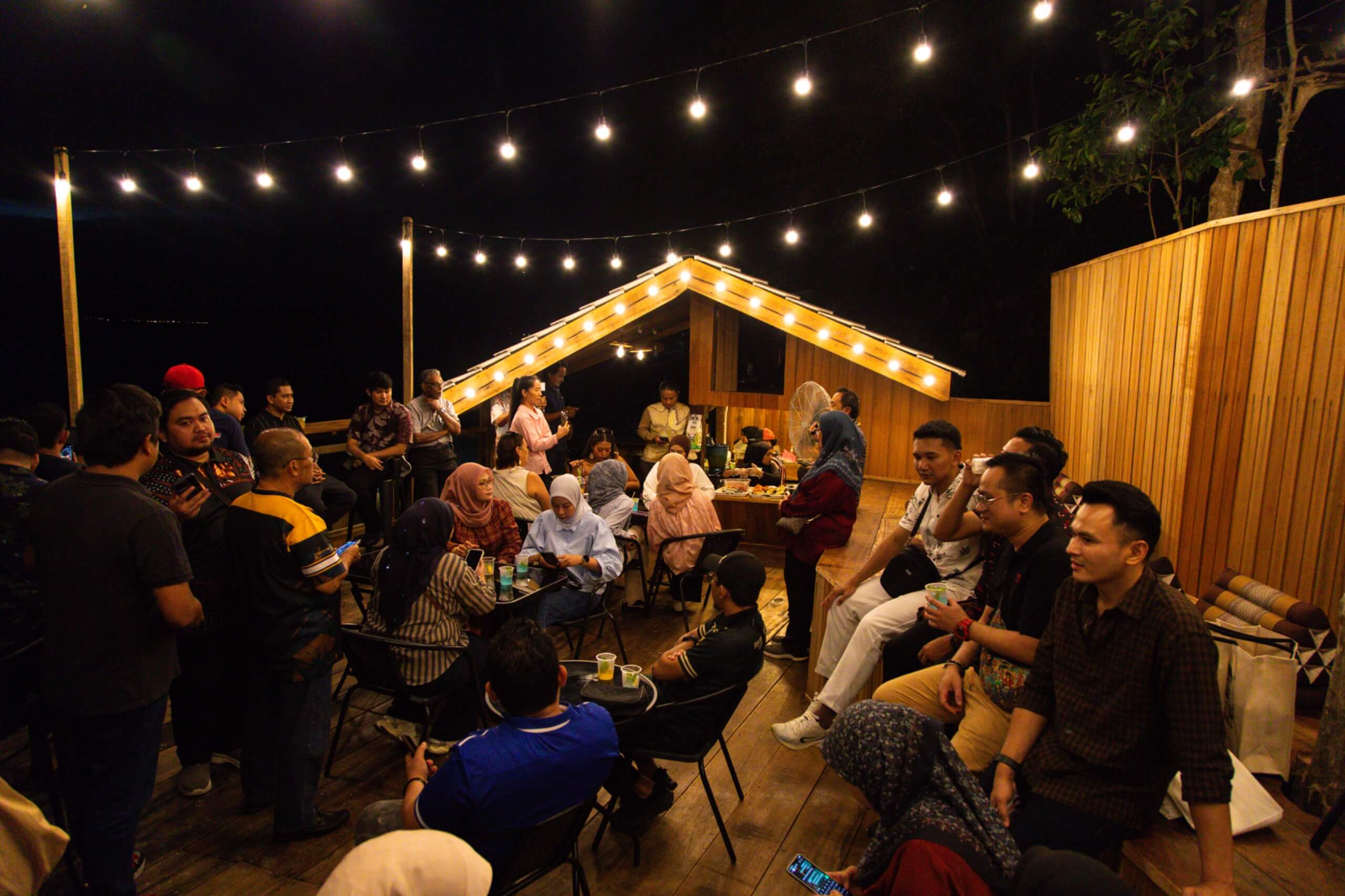
While food production is the visible outcome, the deeper impact of Taman Tanjung Api-Api lies in its social rhythm. The garden functions as a meeting point where generations intersect. Retirees bring time and experience. Working adults contribute when they can. Children grow up seeing effort translated into results.
These interactions rebuild something often lost in urban neighbourhoods: familiarity. Over time, the garden becomes a space where people are recognised, routines shared, also responsibilities understood without being spoken aloud.

In an age where community is often reduced to digital connections, this physical, shared environment offers something grounding and serves as a reminder that belonging is built slowly through presence.
Urban farming projects like this in Taman Tanjung Api-Api show that land can be productive without being commercial, that sustainability can be practical rather than idealistic, and that community does not need to be engineered.
Visiting Taman Tanjung Api-Api
Taman Tanjung Api-Api is a residential, community-run space rather than a formal attraction. Visitors are welcome to observe respectfully, especially during active time when residents are tending to crops or managing the aquaculture system. It is located at Kampung Jalan Kebun, Shah Alam, Selangor (MBSA Zone 11).