



Kinta Valley Chinese Orchestra (KVCO) Brings Chinese Music to Life in Ipoh
Chinese music is often associated with the distinctive sounds of the erhu, pipa, dizi and guzheng. But when these traditional instruments come together in a modern Chinese orchestra, the result is far more expressive and surprising.
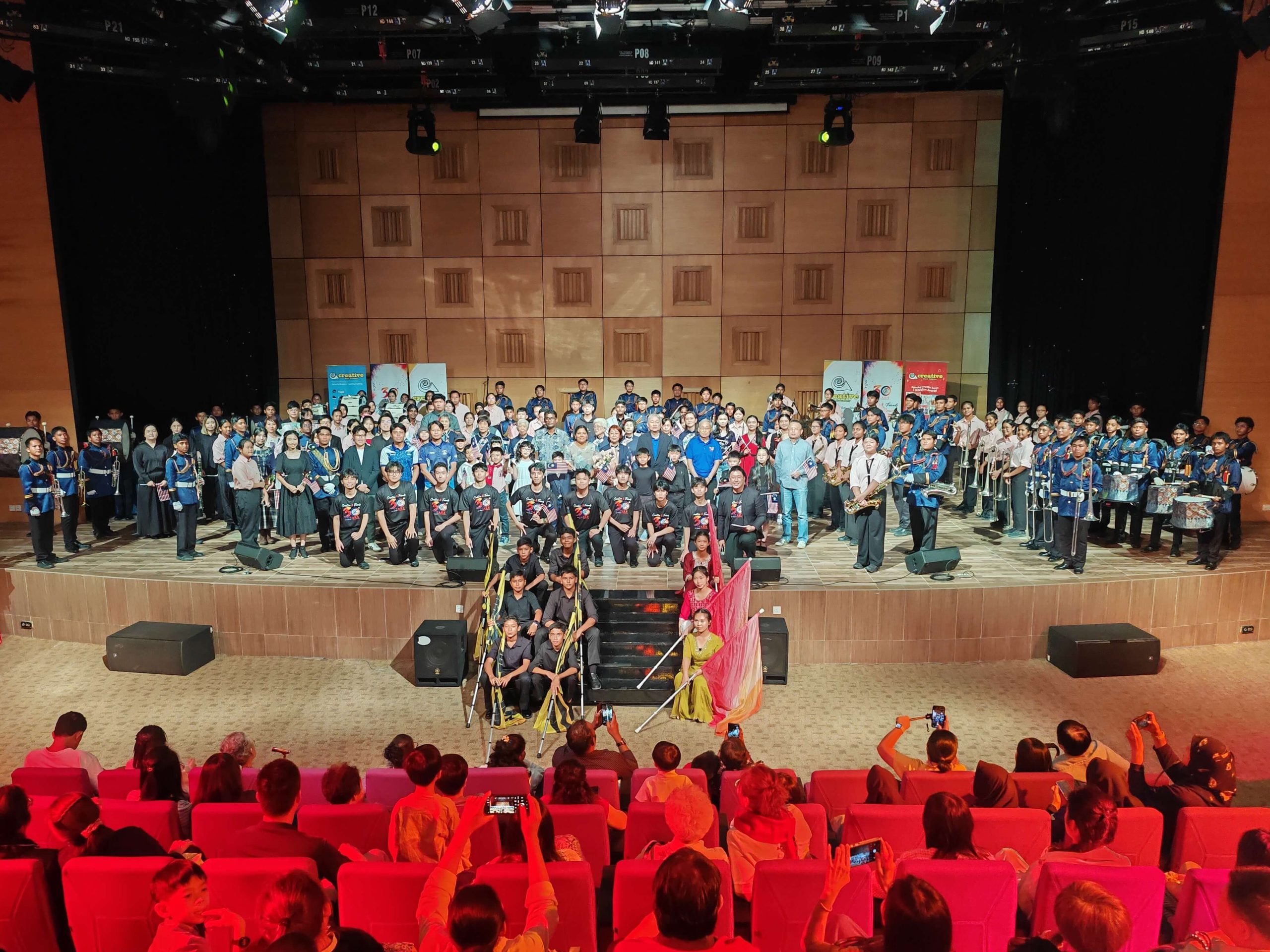
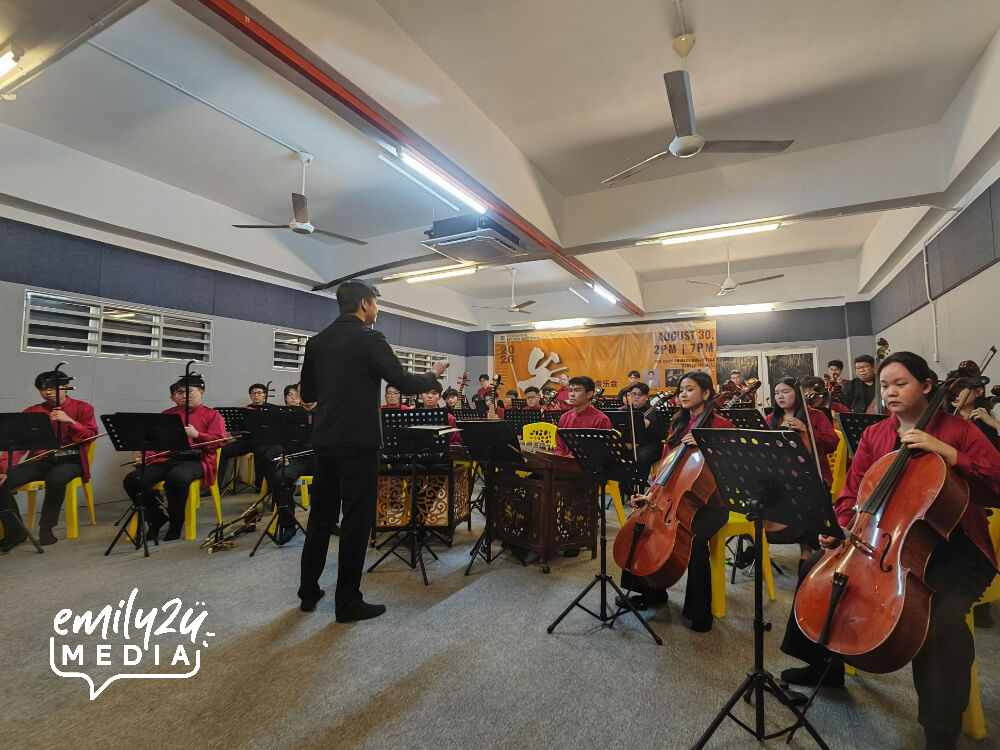
This was exactly what the Kinta Valley Chinese Orchestra (KVCO) showcased through its Chinese orchestral concert, taking audiences on a musical journey that spanned traditional Chinese folk culture, contemporary compositions, romantic melodies, cinematic adventures and nostalgic television classics.
For an orchestra established only in December 2023, KVCO had already built an impressive foundation. More importantly, it had developed a clear vision for the role of Chinese orchestral music in Malaysia, balancing heritage with contemporary creativity while nurturing the next generation of musicians.
Growing Chinese Music in the Kinta Valley
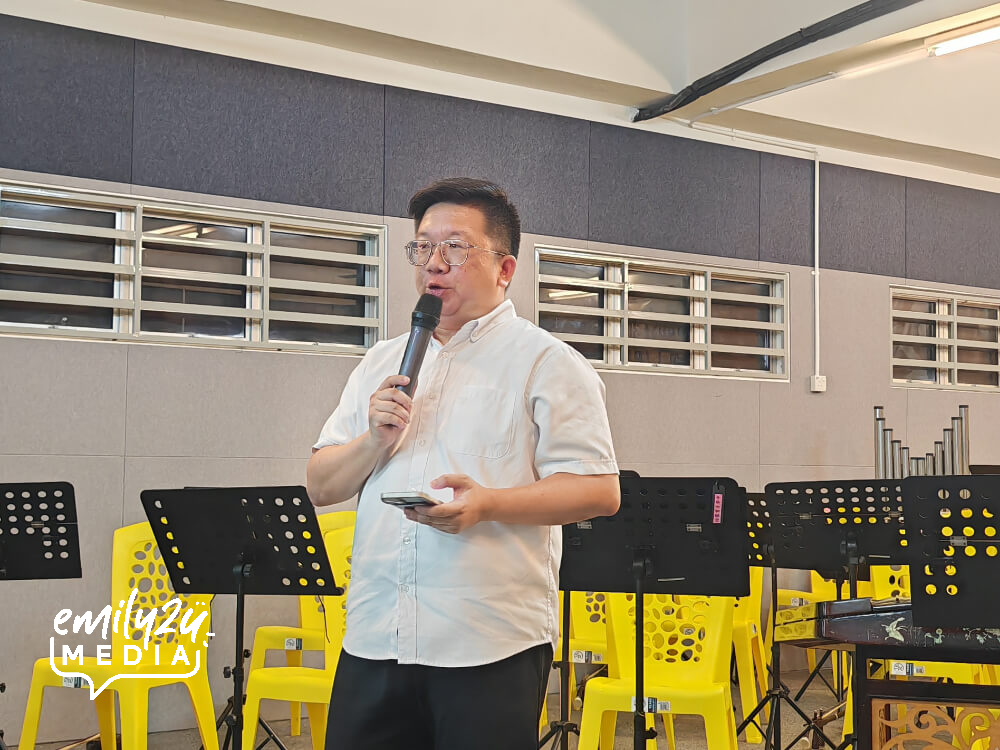
KVCO was established under the umbrella of the Kinta Valley Symphonic Society (KVSS), a non-profit community orchestra founded in 2010. It was initiated by a group of senior Chinese music educators in Ipoh who shared a passion for preserving and promoting Chinese music. With the support of KVSS, the orchestra provided students, recent graduates and local music enthusiasts with opportunities to learn, perform and connect through music.
Its work is guided by four key objectives:
.
These objectives give KVCO a strong sense of direction while allowing the orchestra to explore a diverse and contemporary repertoire.
A Young Orchestra with Growing Experience
Since its establishment, KVCO has continued to build its experience through performances and musical collaborations. The orchestra successfully presented its first annual concert, “Yi” in 2024, followed by “Er” in 2025. It was also invited to perform at the Nature Loving Music Festival for two consecutive years.
In April 2025, KVCO took part in a special Guangdong music showcase alongside the Malaysia Century Chinese Orchestra and Hong Kong’s Windpipe Chinese Music Ensemble.
Another significant milestone followed in August 2025, when the orchestra participated in the Kinta Valley Symphonic Society’s 15th Anniversary Concert at Dewan Filharmonik PETRONAS.
Performing at one of Malaysia’s most prestigious concert halls marked an important chapter in KVCO’s development and reflected the growing recognition of its musical efforts.
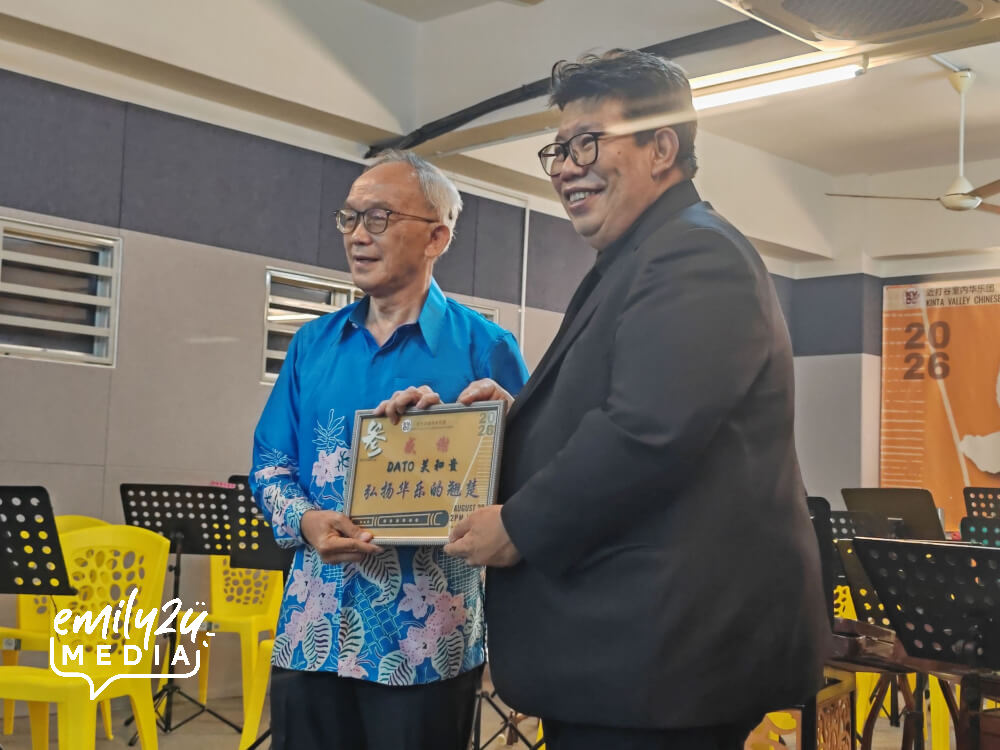
A Programme Filled with Colour and Character
This year’s concert, “III”, opened with two works from contemporary Chinese orchestral music, “Mountain Porters” and “Ode to the Sun”. “Mountain Porters” drew inspiration from the Chongqing folk song “Huangyang Danbian”, portraying the hardworking people of the Bashu region. Its lively and energetic melodies evoked the image of people making their way through steep and rugged mountain paths while earning a living through physical labour.
“Ode to the Sun” derived from Bashu folk music and incorporated the cheerful melody of “The Sun Has Come Out, What a Joy”. With its powerful musical build-up and dramatic climaxes, the work expressed optimism, vitality and a celebration of light.
Together, the opening pieces set an energetic tone for the concert while highlighting how folk traditions could be transformed into contemporary orchestral works.
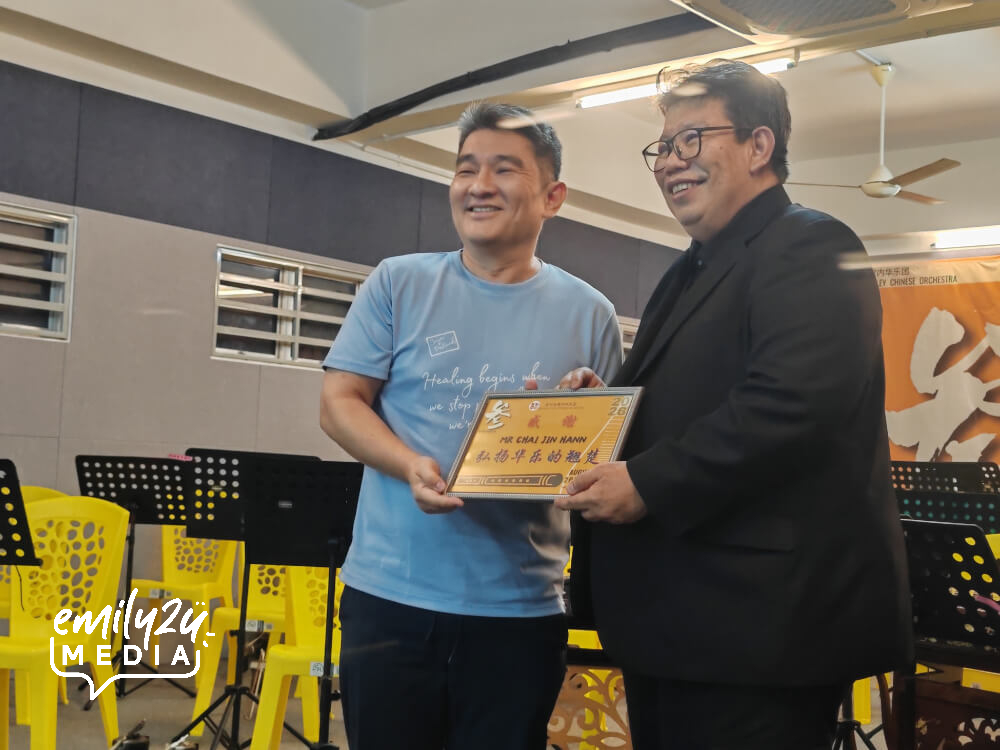
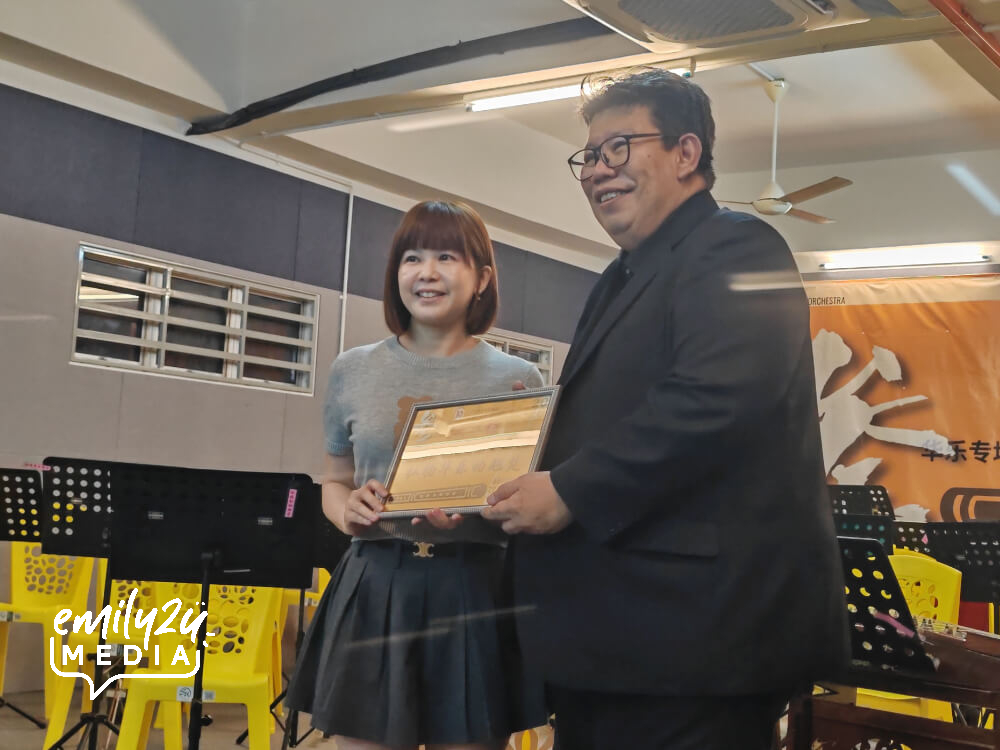
From Alishan to Xinjiang
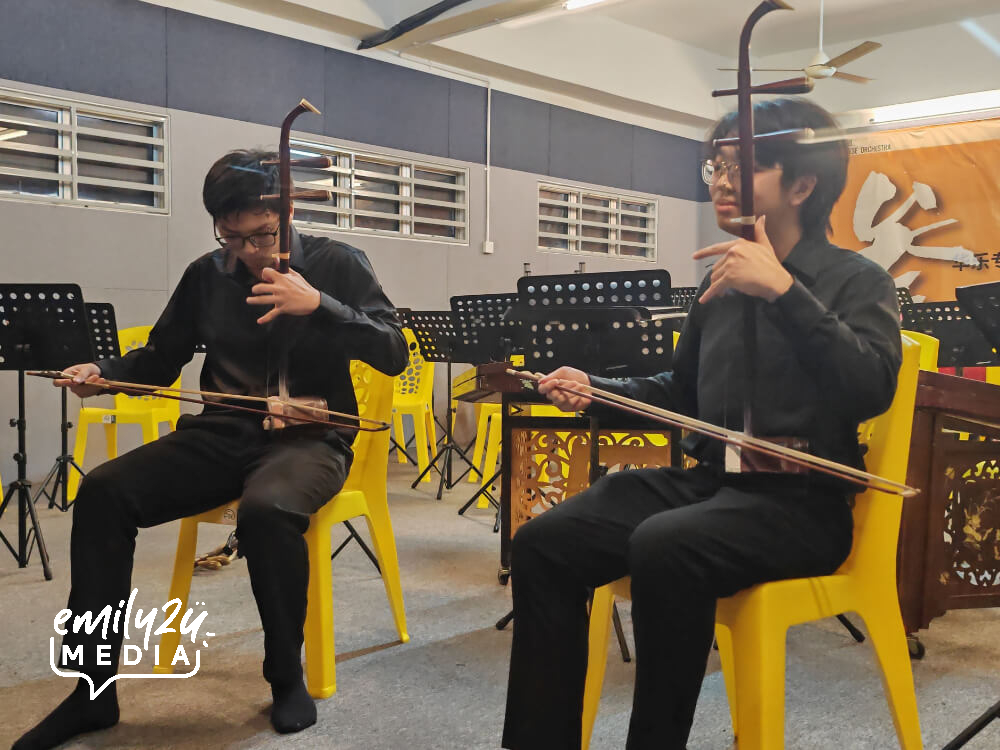
The musical journey then travelled across different regions and cultures. “The Girls of Alishan” was an erhu duet based on a famous Taiwanese indigenous folk song. The original song became widely known as the theme song of the film, “Alishan Fengyun”.
The music evoked the distinctive culture and traditions of the indigenous communities of Alishan, while the imagery of the girls and young men of the mountains represented beauty, strength and resilience.
Following this was “Give Me a Rose”, a pipa work based on a traditional Xinjiang folk song. With its Uyghur love-song influence and colourful pipa techniques, the piece brought a playful and romantic quality to the programme. Its lively character captured the excitement, passion and joy associated with young love.
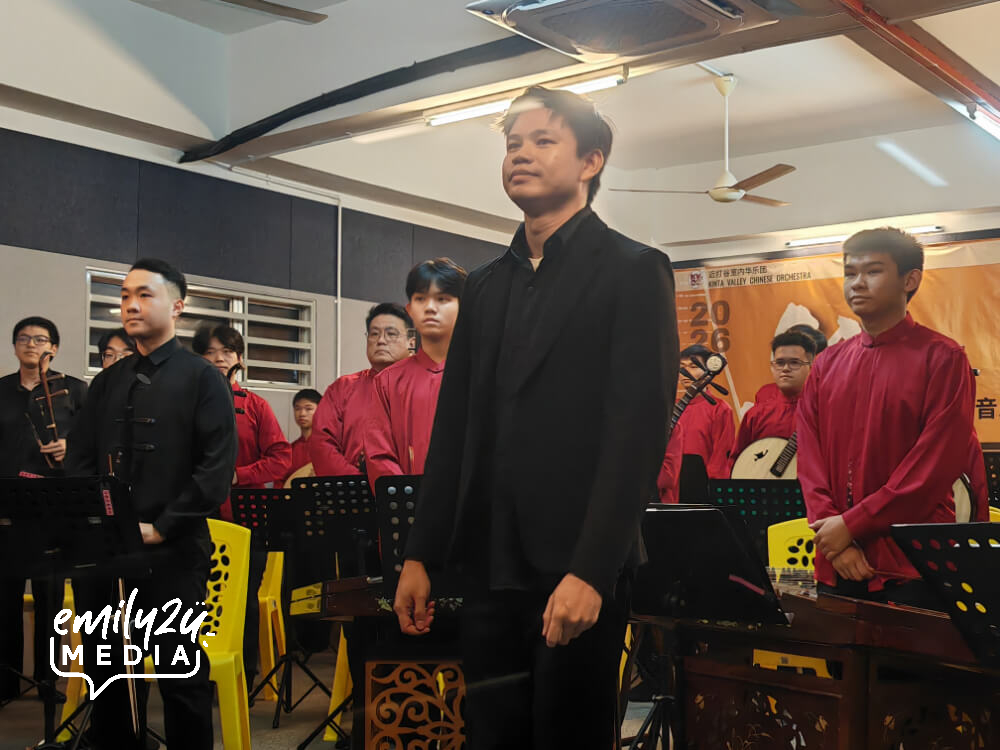
The Spirit of Qin Chuan
Another musical highlight was “Sentiments of Qin Chuan”, which drew inspiration from the rich operatic traditions of Shaanxi. The work incorporated elements from Qinqiang, Wanwanqiang and Meihu, creating a musical portrait of the customs, culture and spirit of the vast Qin Chuan plain.
Its four contrasting sections moved from an introduction into slower and faster passages before reaching the distinctive Duoban section. Special tonal and expressive techniques added flexibility and character to the music.
The consequence was a work that surpassed the portrayal of a geographical region. It captured the atmosphere, personality and human spirit of Qin Chuan through sound.
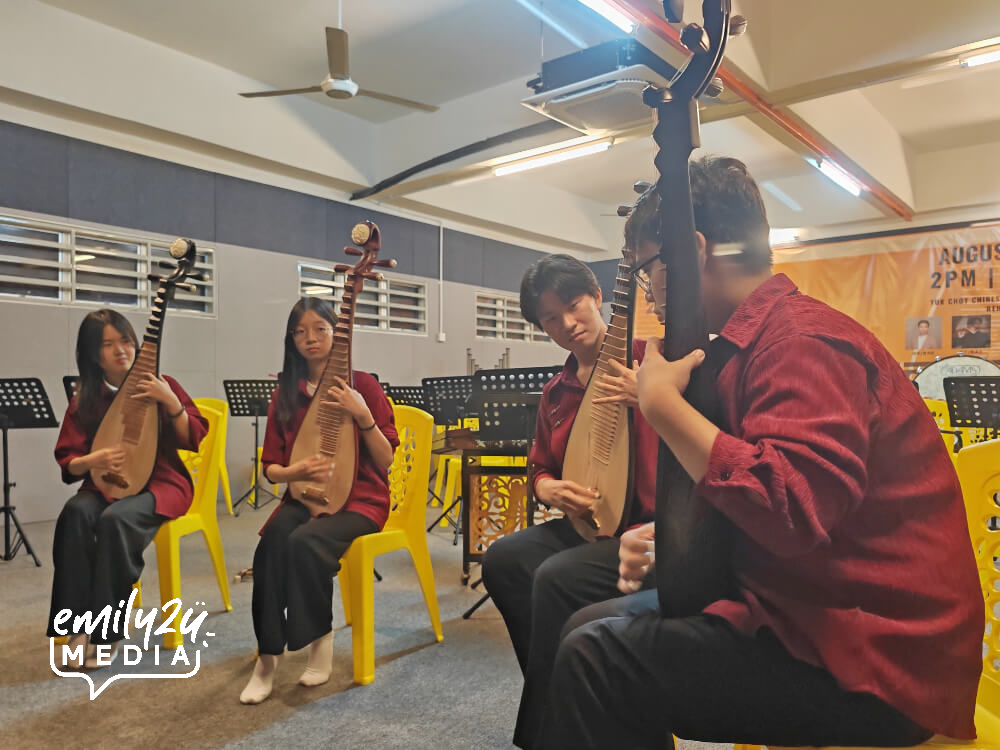
Feel the Excitement of Horse Racing
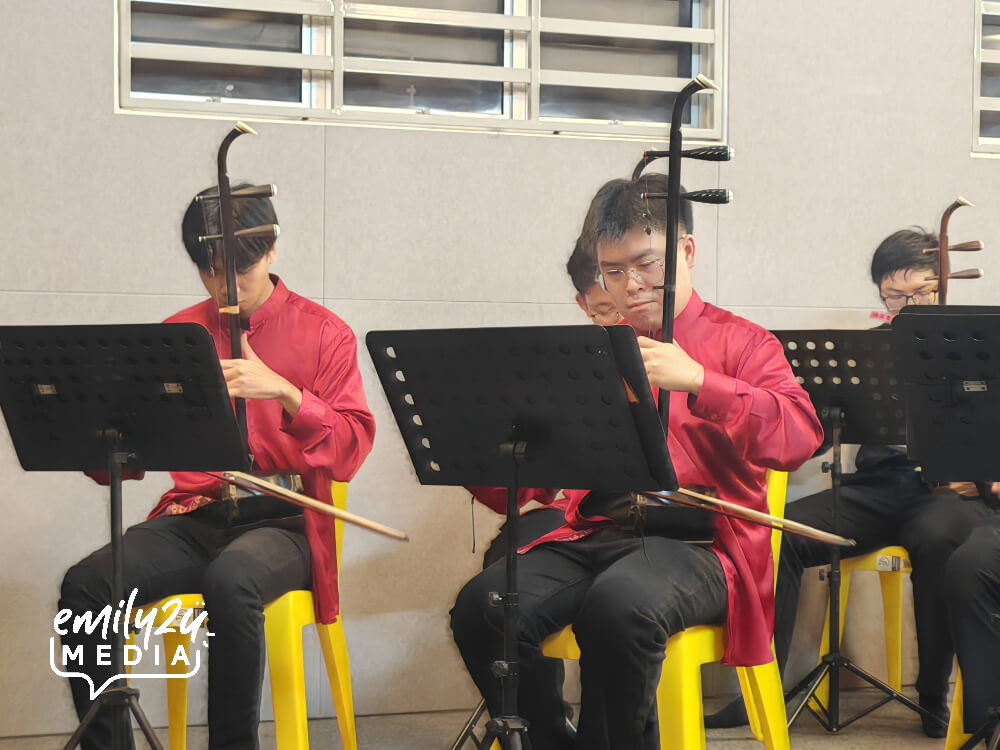
Few Chinese instrumental works convey movement and excitement quite like “Horse Racing”. Originally presented as a new work at the Fourth Shanghai Spring Erhu Solo Competition in 1964, the piece has since become one of the most beloved works in the erhu repertoire.
Its powerful momentum, energetic character and free-flowing melodies vividly suggested the speed and excitement of galloping horses. It was one of those performances where the music did not merely need to be heard. It could almost be felt.
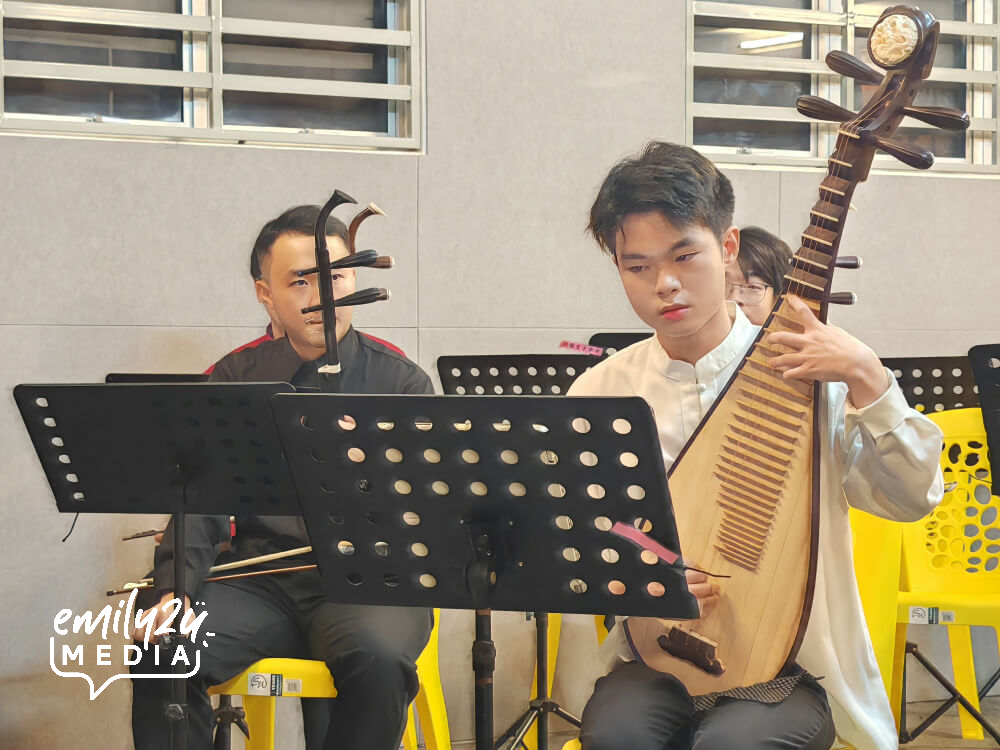
A Surprise from the Big Screen
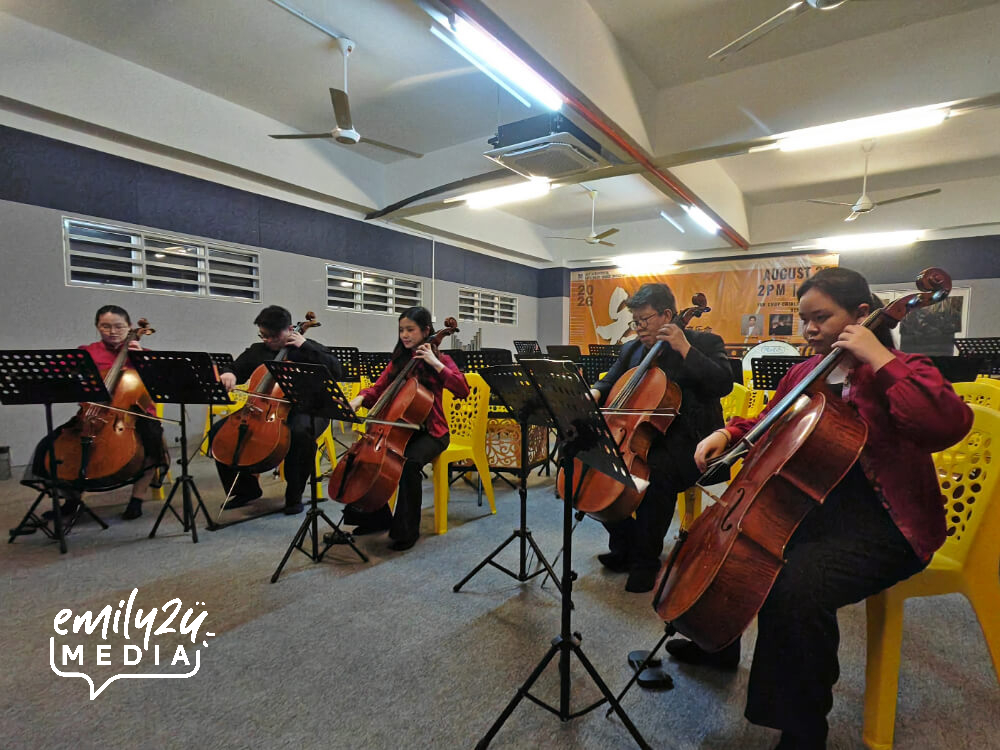
After the interval, the programme took an unexpected turn with “Pirates of the Caribbean”. Composed for the iconic film series, the familiar music was filled with sweeping melodies and powerful rhythms that evoked pirate voyages, adventure and dramatic battles on the high seas.
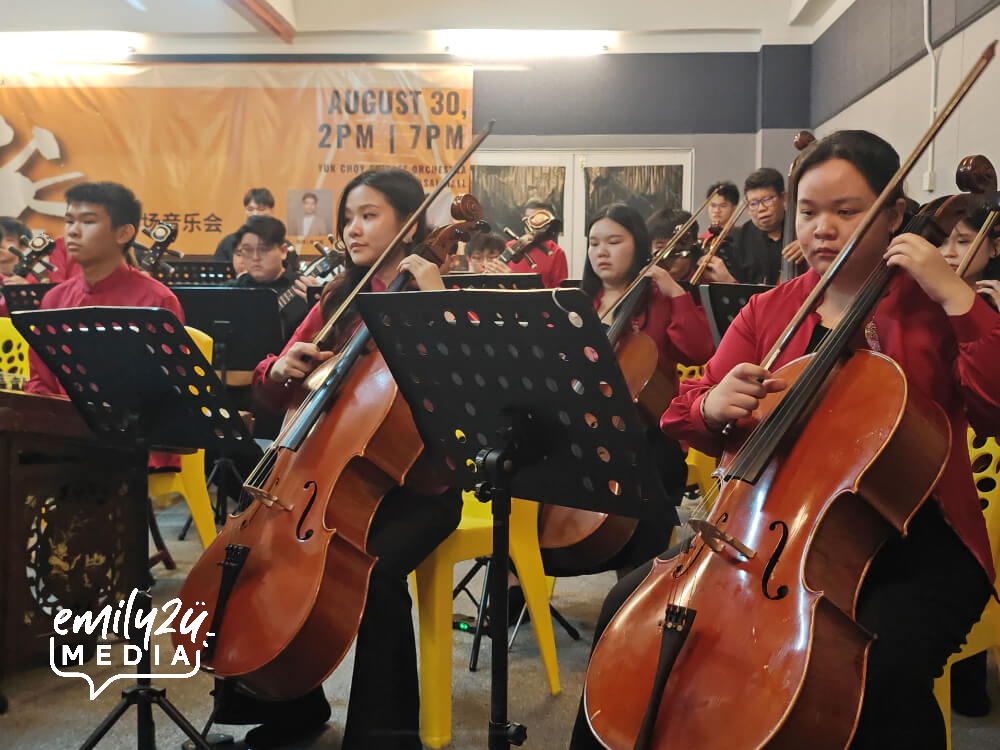
Presented in a cello quartet arrangement, the music took on a rich and resonant quality. The combination brought a different dimension to a well-known Hollywood soundtrack and demonstrated KVCO’s willingness to explore music beyond conventional Chinese orchestral repertoire. It was also a reminder that musical boundaries could be wonderfully fluid.
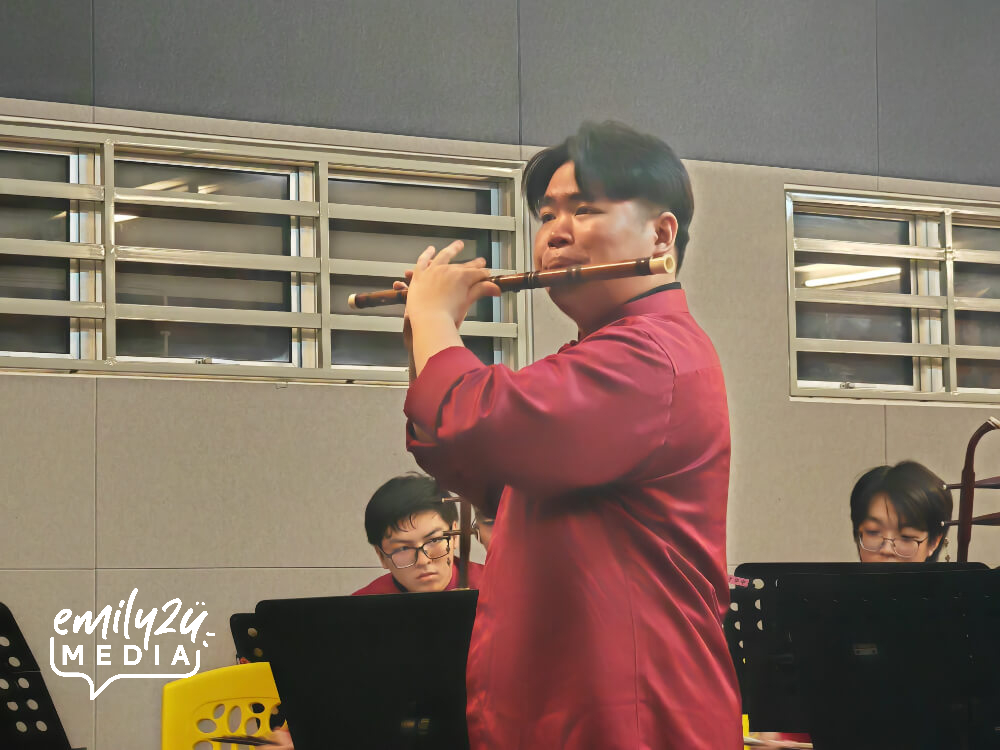
Into the Mountains with Contemporary Chinese Music
The programme continued with “Mountain Whispers · Illusion”, a contemporary Chinese chamber work inspired by a Tang Dynasty poem about mountains. Structured in three sections and driven by a 6/8 rhythm, the work began with a lively motif that gradually developed from the lower register towards the higher level.
This was followed by a lyrical second theme featuring long, expressive musical phrases. The composition reflected the possibilities of contemporary Chinese chamber music, combining traditional cultural inspiration with modern musical ideas, technical demands and an accessible musical language.
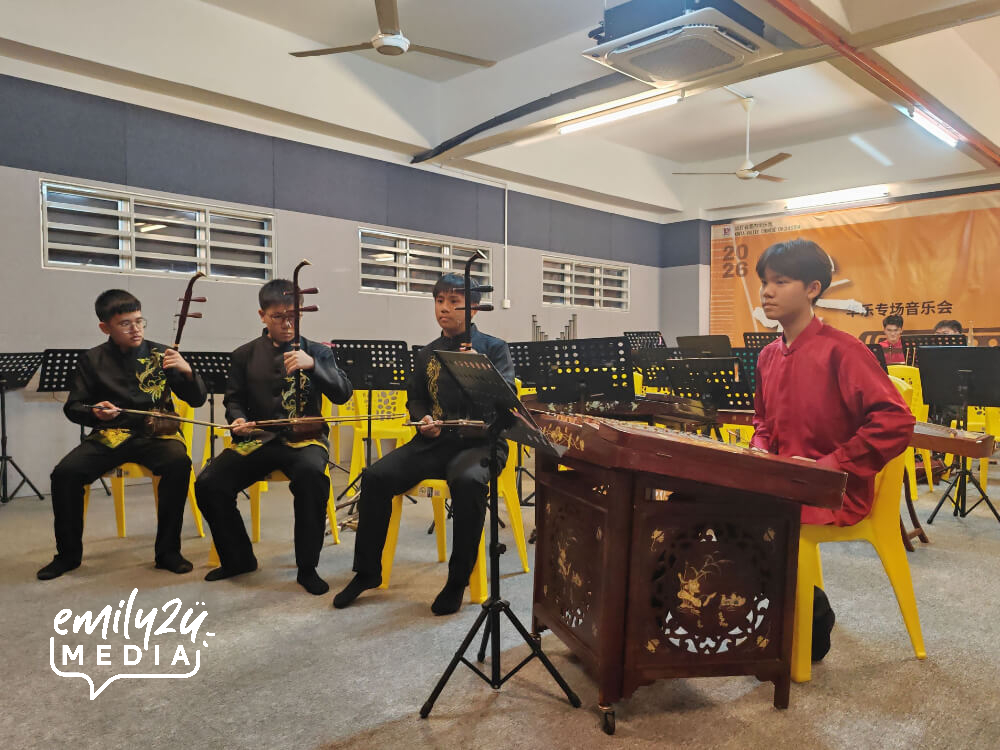
Chinese Romance Meets Latin Rhythms
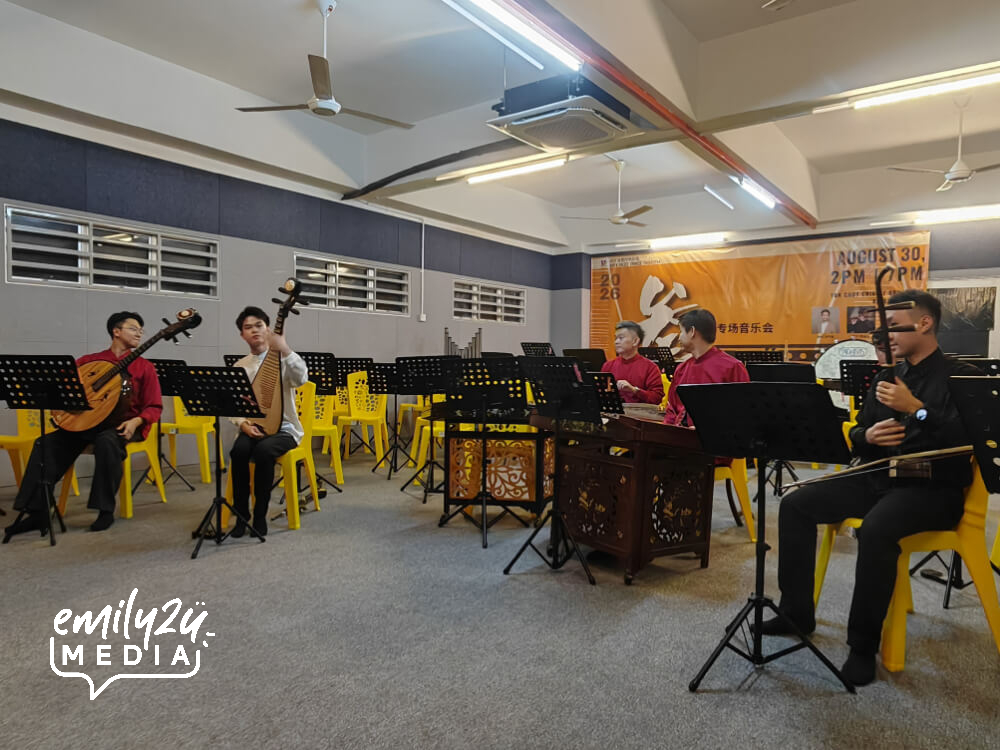
“Passion Under the Moonlight” introduced another fascinating combination of musical influences. Written for pipa and orchestra, the work blended the distinctive sound of the traditional Chinese pipa with the vibrant rhythms and colourful harmonies of Latin American music.
The outcome was a lively and stylish interpretation of Chinese romance. It was an example of how traditional Chinese instruments could move comfortably into new musical territories while retaining their unique identity.
A Nostalgic Finale of Heroism and Romance
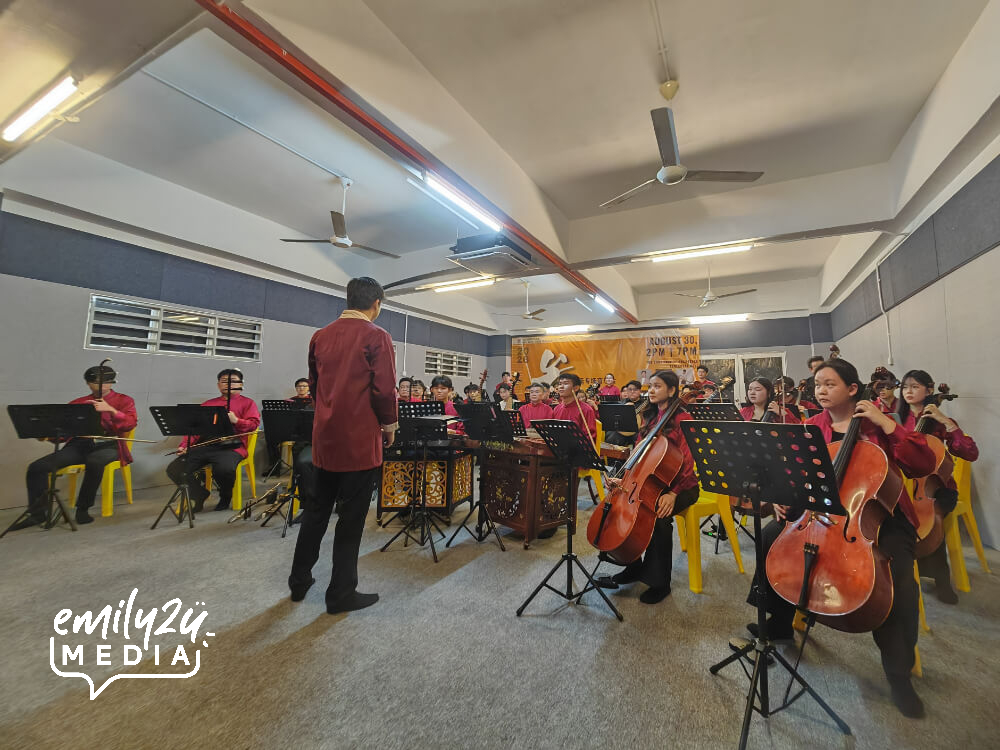
The concert concluded with “Heroic Spirit & Tender Hearts: A Medley of Joseph Koo’s Classics”. For many audiences, the music of legendary Hong Kong composer Joseph Koo was inseparable from the golden era of classic television dramas, plus wuxia stories.
This medley brought together twelve iconic works associated with classic period television dramas, taking audiences on a nostalgic journey through stories of heroes, adventure, loyalty, courage and romance.
The arrangement combined modern harmonies with layered musical structures, allowing the different instrumental colours of the orchestra to interact in rich and varied ways.
There was strength and determination in the music, but there was also tenderness and emotion. It was a fitting finale because it brought together two important elements that have shaped Chinese popular culture for generations: heroic stories and unforgettable melodies.
But that was not all.
The audience was ecstatic as the orchestra returned to the stage for encore after encore, their enthusiastic response a clear testament to the captivating performances. In a fitting celebration of Malaysia’s 69th Merdeka Day on 31 August 2026, the orchestra also performed the evergreen patriotic favourite “Sejahtera Malaysia”, bringing the memorable event to a proud and uplifting close as attendees celebrated the spirit of unity, harmony, including love for the nation.
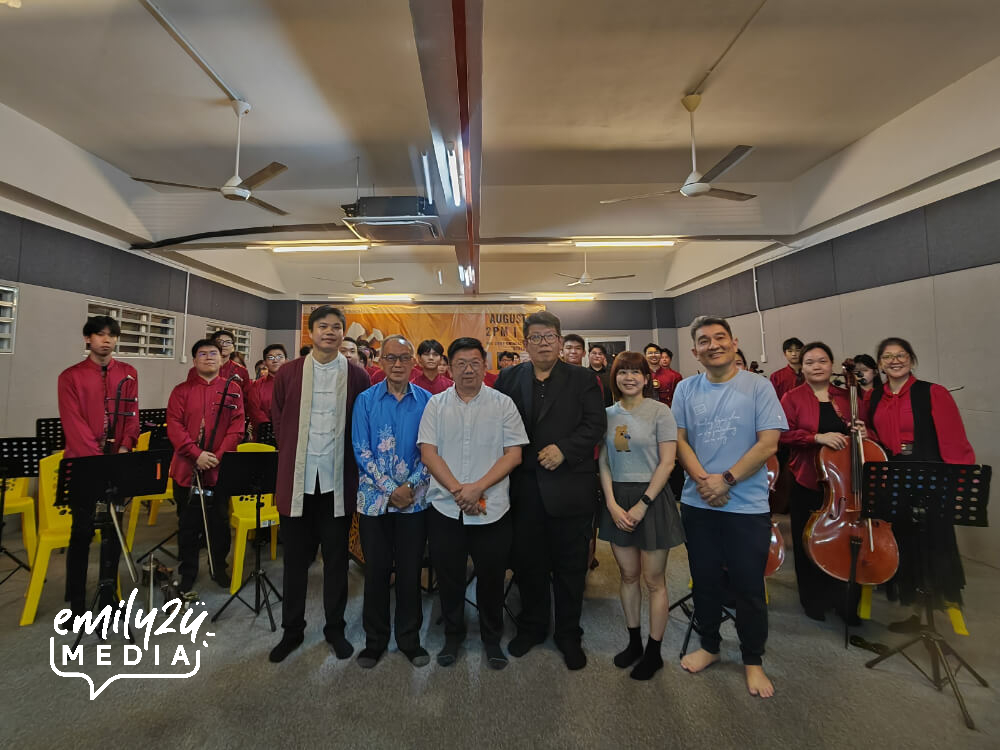
Guided by Musical Vision
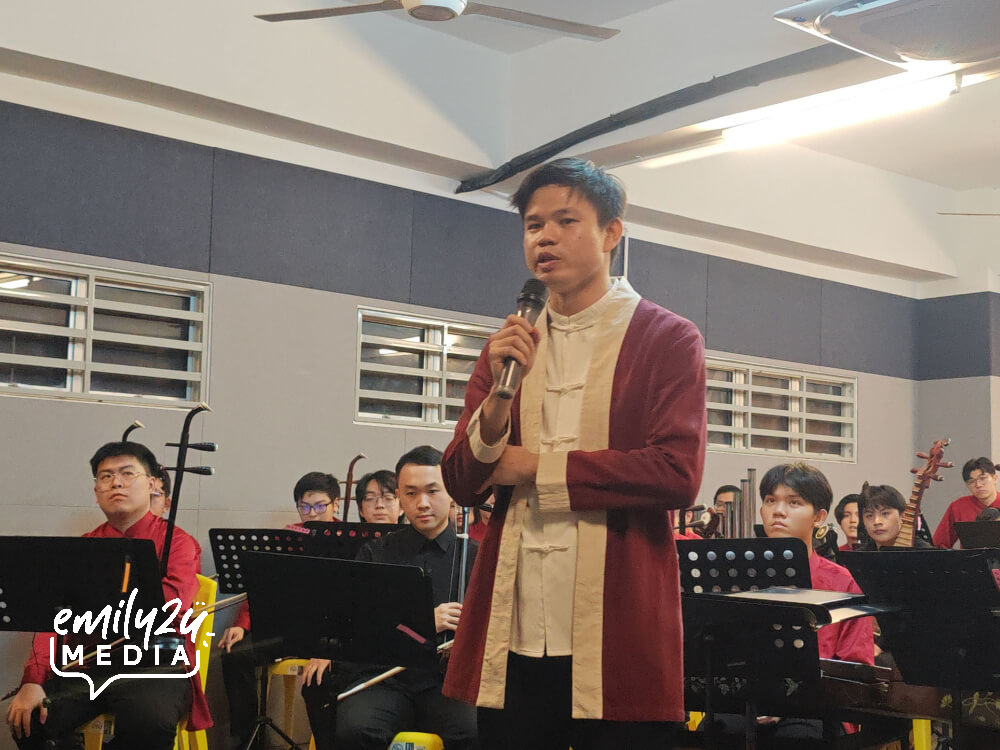
Leading KVCO as Music Director and Conductor is Sebastian Ooi Wei Chern, a Malaysian yangqin performer, composer, arranger and conductor based in Ipoh.
His musical background spanned performance, composition and conducting. After studying Yangqin Performance at the China Conservatory of Music, he later returned to the institution to pursue further studies in composition.
His compositions had been presented at international and local music festivals and concert series, including the Asian Composers League Festival in Japan, SoundBridge Contemporary Music Festival, RondoFest and the UiTM Malaysia Composer Series.
His approach to composition explored different musical cultures, musical languages and techniques, bringing together diverse influences in his creative work.
As KVCO’s Music Director and Conductor, he plays an important role in shaping the orchestra’s musical direction and bringing its diverse repertoire to the stage.
Creating Space for the Next Generation
Perhaps one of the most meaningful aspects of KVCO’s work is its commitment to young musicians. Alongside its established performers, the orchestra provides opportunities for a new generation of musicians to gain valuable experience through rehearsals, performances and musical collaborations.
Its ensemble features a wide range of traditional Chinese instruments, including the dizi, sheng, suona, liuqin, pipa, zhongruan, daruan, guzheng, gaohu, erhu, zhonghu and percussion.
Western instruments such as the cello and double bass also form part of the ensemble, demonstrating the flexibility of the modern Chinese orchestra. The result is a broad palette of sounds, textures and musical colours.
Keeping Tradition Alive While Looking Forward
KVCO’s concert was beyond performing a collection of musical pieces. It was about showing how Chinese music could continue to grow. Traditional folk melodies could become contemporary orchestral works. A centuries-old poetic image could inspire modern chamber music. The pipa could embrace Latin American rhythms. A Hollywood soundtrack could find a new voice through cellos. And classic Hong Kong television melodies could return to the stage in a fresh orchestral arrangement.
For an orchestra that only began its journey in 2023, its achievements to date are encouraging. More importantly, its commitment to young musicians, Malaysian Chinese musical works and the continued development of Chinese orchestral music provide a strong foundation for the years ahead.
For audiences in Ipoh, “III” was an opportunity to experience Chinese orchestral music as a living art form that continues to evolve.
Event: III by Kinta Valley Chinese Orchestra (KVCO)
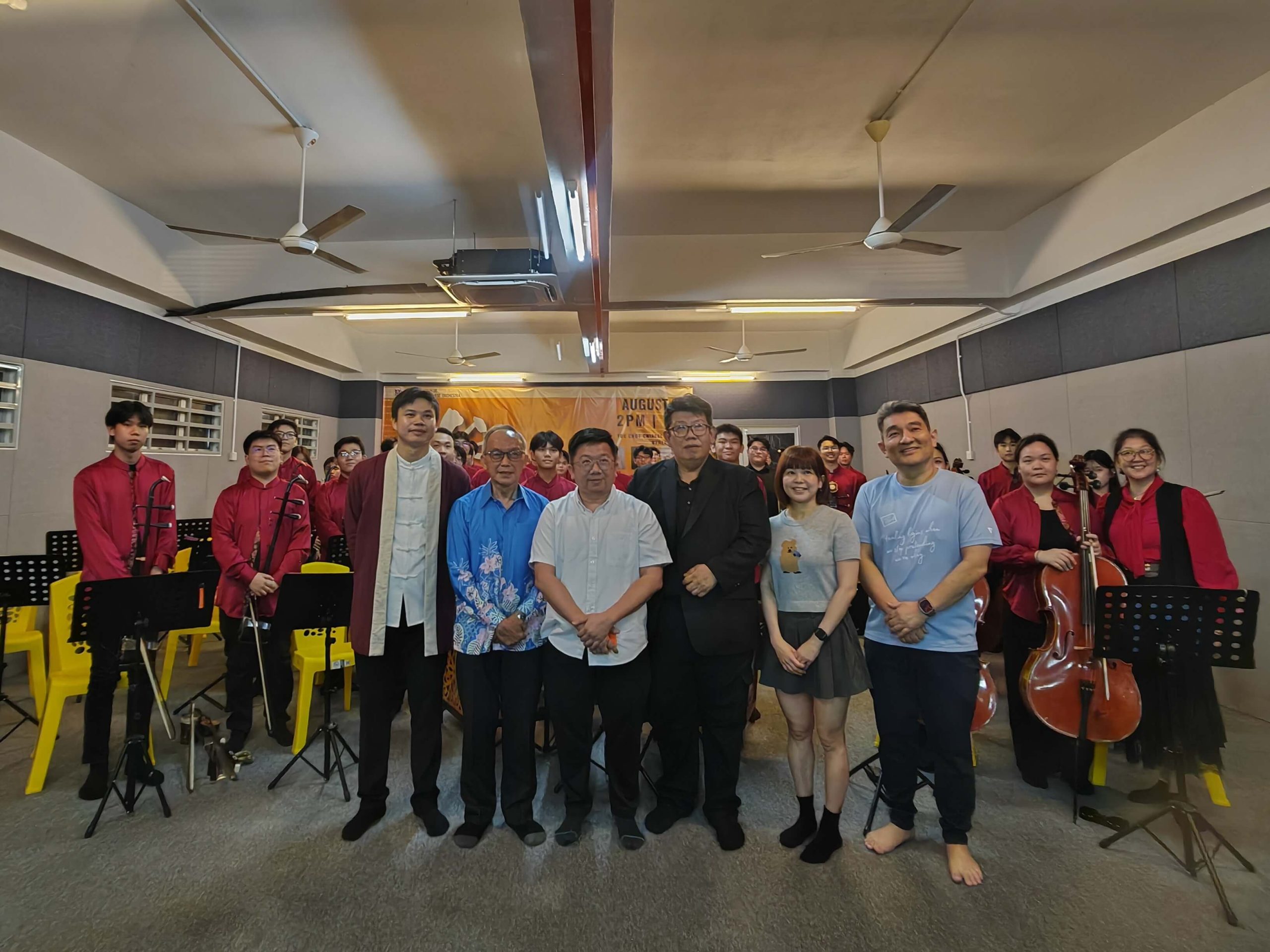
Venue: Yuk Choy Chinese Orchestra Rehearsal Hall
Date: 30th August 2026
Time: 2pm & 7pm

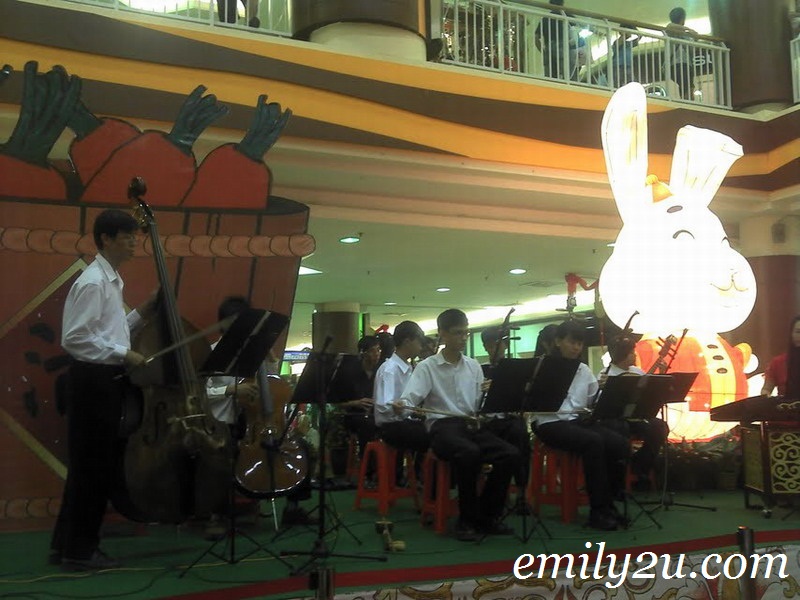
![[Video] Chinese Orchestra Performance @ Kinta City](https://2.bp.blogspot.com/_6ZhAAN5xNBU/TFJXTR68jYI/AAAAAAAAFJo/yoxWFaQr2xg/s400/Chinese+Orchestra.jpg "[Video] Chinese Orchestra Performance @ Kinta City")