








Genting Nature Adventures Leads the Way in Knowledge-Based Tourism
Travel has often been a form of escape and leisure, yet at the heart of knowledge-based tourism lies a deeper purpose: transforming destinations into platforms for discovery, reflection, and awareness. Instead of simply consuming experiences, visitors actively engage with knowledge, whether environmental, cultural, or scientific.
This approach is especially urgent in places like Genting Highlands, where climate change, fragile ecosystems, and the looming threat of biodiversity loss call for more than casual appreciation.
Leading the way is Genting Nature Adventures (GNA), a pioneer in knowledge-based tourism, which encourages travellers to become ambassadors for sustainability. Here, every escapade becomes more than just a holiday. It is a journey of learning, responsibility, and lasting change.
A Real-World Laboratory
In Malaysia, Genting Nature Adventures (GNA) redefines Genting Highlands not only as a destination for cool air and mountain views but also as a real-world laboratory for conservation and learning. Its mission is to create “Bio-Knowledgeable Vacationers”; visitors who arrive as tourists but leave as advocates.
This transformation happens through carefully designed experiences. Children and families are drawn in with engaging edutainment, while students and researchers find opportunities for deeper academic collaboration.

Meanwhile, international travellers are invited to connect with biodiversity in ways that are both enjoyable and intellectually stimulating.
GNA’s strength lies in making education inclusive; accessible to anyone with curiosity, regardless of age or background.
Walking with Science
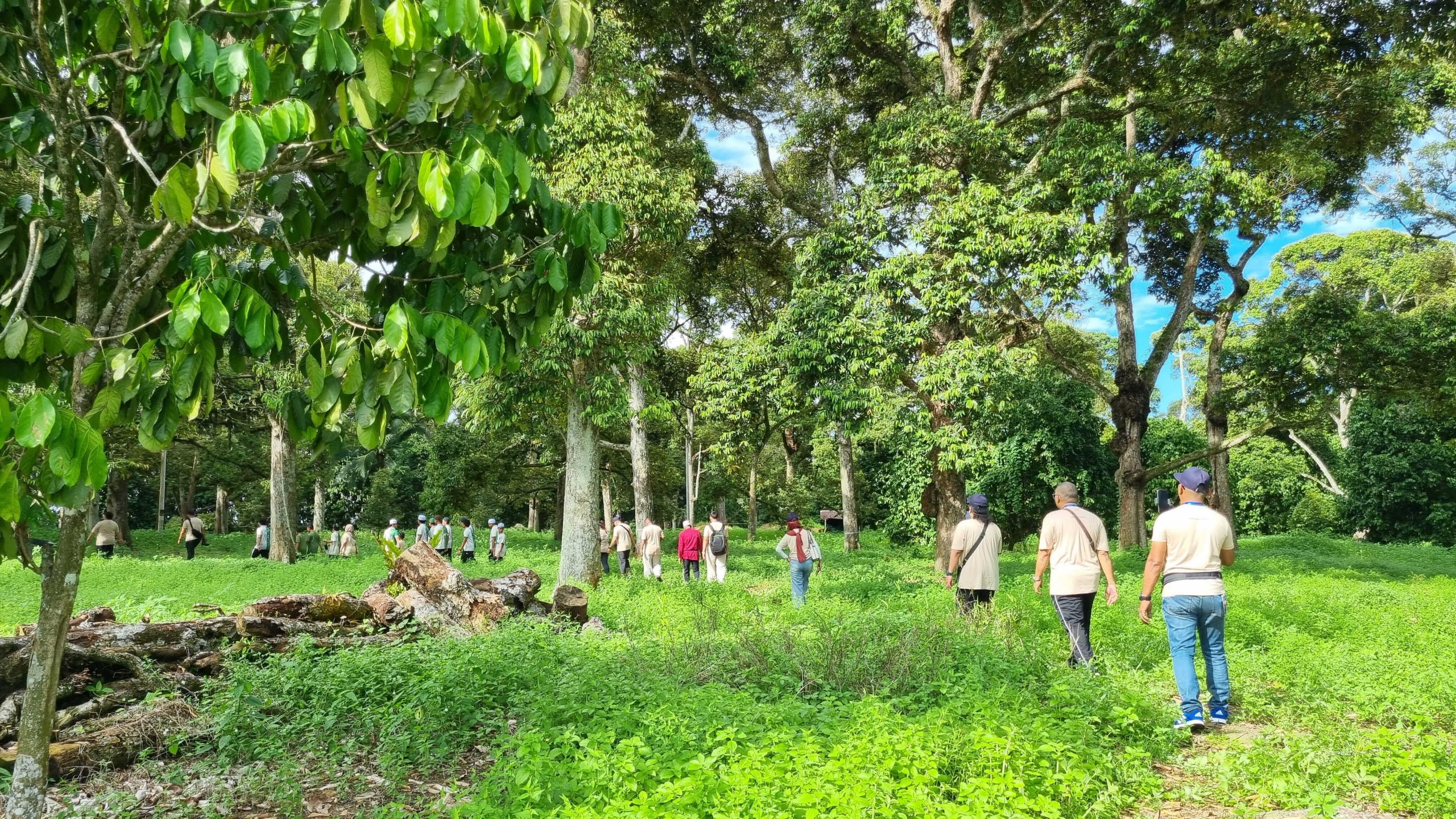
GNA’s initiatives extend into the forest itself. Daily guided walks on the Awana Trail and Clearwater Way are led by scientists who translate complex research into relatable stories. Visitors see not only trees and birds, but ecological relationships, survival strategies, and the delicate balance that sustains the highland ecosystem.

Complementing these walks is the Mile-Long Gallery (MLG). Stretching 600 metres across the Awana Trail, the interpretive boards function like an open-air museum, presenting data, discoveries, and conservation challenges in visually compelling ways. For many visitors, it’s their first encounter with the scientific depth of the highlands, a chance to read the mountain’s story written across panels in the forest.
BERSVC: The Intellectual Foundation of GNA
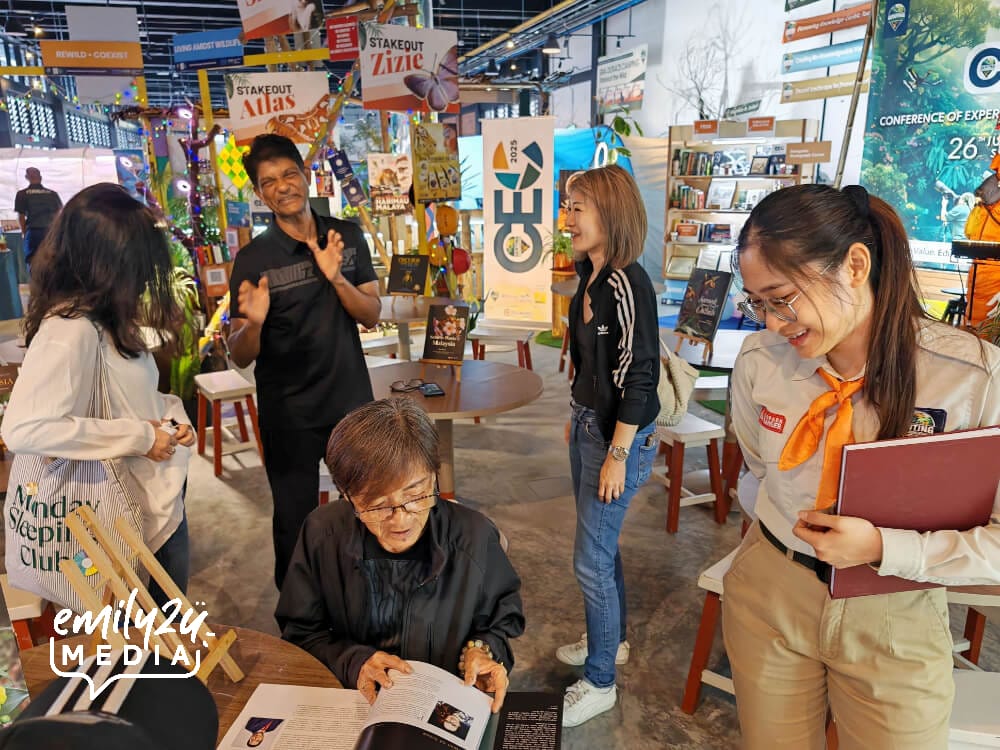
The Biodiversity, Education, Research, Sustainability, and Visitor Centre (BERSVC) is the keystone of GNA’s vision. Unlike conventional visitor centres, BERSVC serves both as a public expository space and as a collaborative base for experts.

For visitors, it offers interactive exhibits and educational resources that make biodiversity tangible. For researchers, it provides space for cross-disciplinary collaboration, linking community knowledge with scientific expertise.
This dual role ensures that science moves beyond academic journals, reaching communities and visitors in meaningful and accessible ways.

Knowledge in Action
Behind GNA’s progress is a network of experts, academics, and collaborators who guide and refine its mission. These include scientists, conservationists, and institutional partners who ensure every activity is founded on credible research. Their involvement ensures that knowledge-based tourism is not only inspirational but also authoritative; conservation in practice, not merely theory.

By aligning research, education, and visitor experiences, GNA positions Genting Highlands as a future reference point for knowledge-based tourism and environmental education worldwide.
Planting Seeds in the Next Generation
Perhaps the most lasting work of GNA lies in its investment in youth. Through Young Pioneers for Nature programmes, children and students are introduced to biodiversity in engaging ways. They are not passive recipients of knowledge but active participants: encouraged to explore, question, and imagine themselves as scientists of tomorrow.

As you can see, GNA is not only conserving ecosystems but also cultivating the human capital needed to defend them in decades to come.
Beyond the scientific and educational layers, GNA fosters something deeply human: connection. Visitors often speak of meeting like-minded travellers, students, and nature lovers who share their curiosity and care for the environment. The BERSVC and trails serve as meeting points, transforming tourism into a collective journey rather than an individual experience.
This community-building dimension gives knowledge-based tourism an enduring impact. People leave not only better informed but also feeling connected as part of a larger network committed to environmental stewardship.
Four Pillars of a Lasting Legacy
The guiding framework for all these efforts rests on four strong pillars: Conservation, Preservation, Sustainability, and Education. These principles are visible in every trail, gallery, and programme, ensuring that tourism is always aligned with environmental responsibility. Together, they create a holistic model where knowledge empowers protection and protection sustains knowledge.

In its aspiration to become an international Centre of Excellence for Knowledge-Based Tourism, the future will see families bonding over meaningful activities, children finding inspiration to pursue science, and researchers breaking new ground in biodiversity studies. Tourism will not merely consume landscapes but actively help regenerate them.
In realising this vision, GNA carries forward a deeper legacy: travel here is not about what we take away, but what we leave behind – ensuring the majestic mountain wonders endure for generations to come.