




Genting Nature Adventures BioParks
When most people think of Genting Highlands, they picture chilly mountain air, bright lights of the casino and theme parks, or the luxury of hilltop resorts. Yet, just beyond the hotels and golf course, there exists a more profound story: one about forests, wildlife, and a long-term effort to conserve fragile ecosystems.

Genting Nature Adventures (GNA) is redefining that story through its Biodiversity, Education, Research, Sustainability & Visitor Centre (BERSVC), which is evolving into a Centre of Excellence, a carefully designed network of nature trails, and its BioParks.
The vision is clear: to position Genting Highlands beyond an entertainment destination as an interactive hub for knowledge-based tourism, conservation, and sustainable nature experiences. By doing so, Genting demonstrates that economic development and ecological responsibility can be woven together in a way that benefits both people and Mother Earth.
What is a BioPark?
A BioPark is more than just a patch of greenery on a map. Although modest in size, its role is wide-ranging and vital, functioning as a sanctuary where wildlife can flourish, seeds can naturally replenish the soil, and the richness of genetic diversity is preserved for generations to come.
In many ways, a BioPark acts as natural lungs, sustaining water cycles, cooling the air, and maintaining delicate microclimates. It also serves as an open-air classroom, where students, researchers, and curious travellers can experience the lessons of nature firsthand.
In a landscape defined by rapid development, a BioPark provides balance. As hotels, roads, and entertainment facilities rise, this protected enclave preserves the ecological heart of Genting Highlands. It represents not only a safe haven but also one of the highland’s gems of biodiversity, a place where unique species and habitats are cherished as treasures.
A BioPark represents a new approach – where tourism exists alongside nature, learning from it instead of replacing it. A stroll along its trails is more than recreation; it is a chance to reflect on the interconnections of species, the forests’ importance to climate stability, and the deep cultural significance tied to these mountains.
In essence, what sets the BioPark vision apart is its fusion of conservation, lifestyle, and wellness. It is not just land set aside but a living, growing reminder that nature is an inheritance to be cared for, not a resource to be consumed.
Four BioParks, One Vision
The network of four BioParks in Genting Highlands represents a living showcase of montane ecology, stretching across different elevations and forest types. Together, they form a vertical slice of the highland environment, each park carrying its own character yet sharing a common vision of conservation and discovery.
Awana BioPark (3,000 ft)
Close to Resorts World Awana is Awana BioPark, which features the Upper Dipterocarp Forest. It is currently the flagship BioPark as it is the most developed by Genting Nature Adventures. Its claim to fame is the Fashion Forest, a creative concept that reimagines a forest walk as a runway for nature.

Here, visitors encounter timber, rattan and bamboo forests interlaced with orchids, strangler figs, medicinal plants such as Tongkat Ali, and lofty trees that have stood for centuries. It is a place where guides highlight not only the botanical facts but also the cultural lore behind these species.
Fashion Forest
The Fashion Forest concept at Awana is one of GNA’s boldest ideas. By presenting the forest as a photogenic runway, it captures the imagination of visitors who may not otherwise be interested in conservation. Social media influencers, photographers and lifestyle enthusiasts are drawn to the spectacle, and in the process, they absorb lessons about ecology and interdependence.

Guides make the science accessible. A strangler fig is not just a tree but a story about resilience and competition. A fallen log becomes a microhabitat teeming with fungi and insects, described in ways that make the smallest detail seem glamorous. Visitors leave with both Instagram-worthy photos and newfound respect for the complexity of forest ecosystems.
This approach matters because conservation often struggles with outreach. Technical reports and scientific jargon rarely reach the general public. By turning the forest into a stage of beauty and fashion, GNA is creating a bridge that makes conservation appealing without diluting the science.
Gohtong BioPark (3,000 ft)
At mid-elevation near the Gohtong Skyway lies the Gohtong BioPark. Similar to Awana BioPark, this landscape is defined by the Upper Dipterocarp Forest, also known as the Montane Timber Forest. Tall hardwood trees rise proudly here, their broad canopies giving refuge to a rich diversity of lifeforms. The forest plays a crucial role in ecological balance, acting as a buffer zone between the lowlands and the upper montane habitats.
Chin Swee BioPark (4,500 ft)
Further up the mountain, the Chin Swee BioPark surrounds the iconic Chin Swee Temple. This area is home to the Montane Oak Forest, where towering oaks dominate the canopy, sheltering countless plants and animals. The forest is rich in biodiversity, offering a sanctuary for birdlife and a glimpse into how altitude shapes the species composition.
Genting BioPark (6,000 ft)
At the highest point lies Genting BioPark, perched on the Gunung Ulu Kali Ridge. Here, the cool mist nurtures the Montane Ericaceous Forest, often called the mossy forest. This is a magical landscape where trees are stunted and twisted, their trunks draped in mosses and lichens, while orchids and ferns thrive in the moist air. The atmosphere is otherworldly, a habitat that feels timeless and fragile.
One Conservation Vision
Together, these four BioParks illustrate the interconnectedness of highland ecosystems. Each one reflects the delicate balance of altitude, climate, and biodiversity, but when viewed as a whole, they form a unified vision of preservation under the Other Effective Area-based Conservation Measures (OECM). More than just protected areas, these BioParks are sanctuaries that ensure the wonders of Genting’s natural heritage remain safeguarded for the future. They also stand as a visible expression of Genting’s long-term biodiversity efforts, aligning science, community engagement and sustainable tourism into a single shared mission.
Science, Technology and Outdoor Learning
GNA’s mission is not only to preserve forests but to transform them into places of learning. Activities such as night safaris, birding expeditions and biodiversity walks are structured as educational journeys. But what makes GNA stand out is its use of technology.
The Smart Forest mobile app, created by Signature Creative Studio PLT, is an integral part of GNA’s BioParks, designed to bring digital learning into the heart of these natural classrooms. As visitors move through the BioParks, the app allows them to identify plant and animal species in real-time, simply by pointing their smartphone at visual markers within the forest. Instead of using QR codes or tags, Smart Forest presents seamless, interactive content on-screen, making the journey through the BioParks more immersive, engaging, and informative.

Serving as a personal field guide, the Smart Forest app turns the BioParks into dynamic hubs of discovery. Combining conservation with technology helps visitors better appreciate the biodiversity in these parks, from majestic hardwood trees to delicate understorey life. Every stroll becomes an opportunity to uncover the ecological roles of different species and understand how they fit into the wider montane ecosystem.
In short, the app not only enriches visitors’ experience but also strengthens the BioParks’ mission of preserving genetic diversity and fostering awareness of the natural world.
Corporate Partnerships
Conservation requires not only vision but also resources, and GNA has been creative in building partnerships. Nikon, through its Malaysian distributor Futuromic Photo AV, has become a visible collaborator. Together, they run photography workshops, field trips and documentation programmes.

This partnership shows how private companies can go beyond corporate social responsibility statements and provide tangible skills, equipment and visibility. High-quality imagery is not just about aesthetics. It creates an archive of biodiversity, documents rare sightings, and helps scientists verify species. At the same time, it inspires the public by showing nature in all its detail and splendour.
By engaging with companies like Nikon, GNA strengthens both its technical capacity and its outreach. It is a model of how business and biodiversity can cooperate to mutual benefit.
Legacy of Stewardship
The story of GNA is intertwined with the legacy of Genting Group’s founding family. The late Tan Sri Dato’ Seri (Dr) Lim Goh Tong envisioned Genting Highlands as more than a commercial enterprise; it was a mountain retreat shaped by respect for the landscape. His son-cum-successor, Tan Sri Lim Kok Thay, has carried this legacy forward by embedding conservation and education into the company’s culture.
A symbolic gesture, such as naming the newly discovered species Thismia limkokthayi after the Chairman of the Genting Group, Tan Sri Lim Kok Thay, is a clear marker of this commitment.

More importantly, the company has invested in programmes that combine tourism with biodiversity education, ensuring that the BioParks are not isolated projects but part of a broader sustainability agenda. Corporate continuity of this kind is rare in conservation, where short-term projects often falter once initial funding ends. At Genting, stewardship is embedded in leadership, adding credibility to the BioParks’ long-term future.
Trails and Visitor Experience
Walking the trails of GNA is designed to be both enriching and respectful of the environment. By limiting trails to narrow 6ft widths and carefully weaving them through the landscape, GNA ensures that disturbance is minimal. Canopy cover remains intact, microhabitats are preserved, and animals retain their movement corridors.
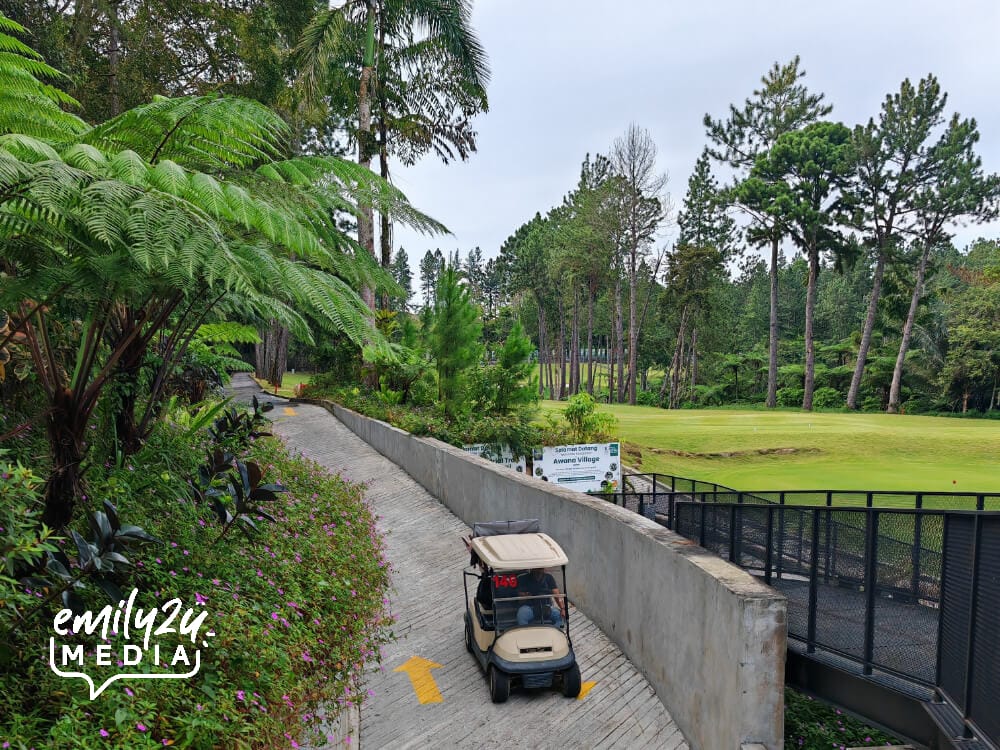
For visitors, the trails are structured as journeys of discovery. Interpretive boards explain not just what species are present but why they matter. From birding to exploring medicinal plants, every step deepens understanding. Specialised trips such as herping sessions (focused on reptiles and amphibians) or night safaris provide experiences that blend adventure with learning.
Already, these trails have produced biodiversity records through photography groups and Nikon-supported documentation trips. Each visitor becomes not just a consumer of experiences but a contributor to knowledge.
Climate Action, SDGs and ESG
The BioParks have significance beyond the boundaries of Genting Highlands. In terms of global sustainability, they directly contribute to climate action by absorbing carbon. They protect water sources by regulating rainfall and soil moisture. They conserve biodiversity in a rapidly changing highland environment.
These impacts align closely with the United Nations Sustainable Development Goals, particularly SDG 13 (Climate Action), SDG 15 (Life on Land) and SDG 4 (Quality Education). They also provide concrete material for Genting’s Environmental, Social and Governance (ESG) reporting, demonstrating community engagement, scientific research and responsible tourism. Therefore, the BioParks stand as more than ecological assets. They also strengthen corporate reputation and social responsibility.
The Path Forward
The science needs to be told through compelling stories, visuals, and narratives that resonate with both local communities and international audiences. By working with photographers, documentary makers, and science communicators, GNA can ensure that research findings inspire as well as inform.
At the same time, challenges must be carefully managed. Visitor pressure could overwhelm sensitive habitats if not controlled through zoning and carrying capacity studies. Data gaps, if left unaddressed, could weaken conservation planning.
Private development beyond Genting Highlands’ boundaries could fragment habitats, requiring landscape-scale strategies and corridor identification. Funding must also be secured on a multi-year basis to avoid volatility.
However, with foresight and partnerships, these challenges can be mitigated.
In summary, Genting Nature Adventures is pioneering a model where forests are not sacrificed for tourism but celebrated as its foundation. Through BioParks, creative storytelling, corporate partnerships and careful trail design, it has already shown what is possible. By investing in deeper research, GNA will not only strengthen its conservation outcomes but also secure its legacy as a place where creativity, corporate vision and ecological responsibility come together.